How to Prepare for a Loksewa Interview: A Practical Guide for Nepal Candidates
Learn how to prepare for a Loksewa interview with a focused self-introduction, notice checklist, mock practice and calm answer structure.
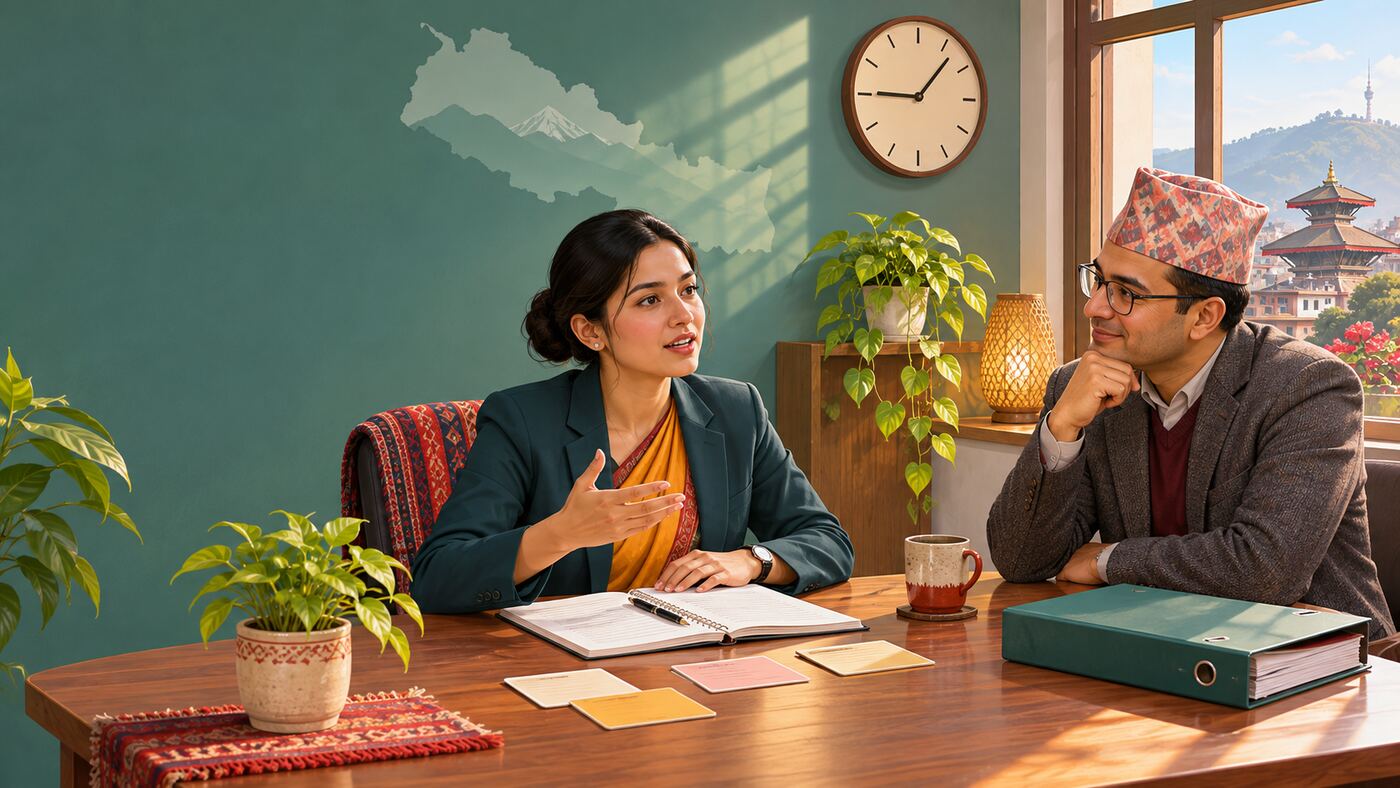
How should you prepare for a Loksewa interview?
Start by treating the Loksewa interview as a conversation about your suitability for one specific post, not as a speech competition. Read the advertisement again, match your preparation to the role, and practise answering clearly in your own words.
Read the notice and syllabus first
Keep a printed or saved copy of your advertisement, written-result notice and any interview instruction. Note the service, group, post, required documents and interview venue. The Public Service Commission of Nepal’s official website publishes advertisements, exam-centre notices, results and recommendations. Check that source instead of relying on screenshots or social-media posts.
Prepare a 60-second introduction
A useful introduction has four parts: your name, relevant education or experience, a strength connected to the post, and why you want to serve in that role. For example, an administration candidate could mention careful record keeping, public communication and an interest in reliable service delivery. Keep it factual; do not memorise a long life story.
Build answers around the post
Make a one-page role sheet. Write the likely day-to-day responsibilities, the citizens or offices the role may serve, and three skills you can demonstrate. Then practise questions such as:
- Why do you want this post?
- How would you handle a delayed public-service request?
- What does impartial and respectful service look like?
- How would you respond if you did not know an answer?
A good answer is direct: give your point, add one relevant example or reason, then stop. If you lack work experience, use a project, volunteer task, study responsibility or everyday situation honestly.
Practise current affairs with a local connection
You do not need to recite every headline. Choose a few public issues relevant to the service area and understand the basic context, possible effect on citizens and your balanced view. For a local-government role, think about service access, record management, disaster response or community communication. Avoid guessing statistics or repeating unverified claims.
Run two realistic mock interviews
Ask a friend or mentor to sit across a table and ask five to eight questions without helping. Use the same clothes, notebook and time limit you plan to use on the day. After each answer, review three things: Was the answer relevant? Was it understandable? Did it sound respectful? A short pause before speaking is better than rushing.
Prepare documents and the day plan
Use a folder for originals and copies requested in the notice. Arrange travel so you arrive early, and carry water if appropriate. Choose clean, comfortable formal clothing. At the venue, listen to instructions, greet the panel politely and answer the question asked rather than trying to impress with unrelated facts.
What to do when you do not know an answer
Do not invent an answer. Say that you are not certain, explain how you would verify the information through the proper source, and return to what you do know. This shows judgement and integrity—both are more useful than a confident guess.
Final preparation checklist
- Review the specific advertisement and your application.
- Practise your introduction aloud.
- Prepare role-related examples and two current issues.
- Check official notices and documents one final time.
- Sleep well and arrive with time to settle.
Strong Loksewa interview preparation is quiet and specific: know the post, explain your thinking, and show that you can serve people responsibly.